
With 16% share of the DWP market and producing close to 1.4 million tons per annum, our dissolving wood pulp brand Verve is a truly sustainable brand.
We continue to invest in all three of our world-class production sites – further entrenching our leadership position as a trusted source for responsible and sustainable DWP.


Our dissolving wood pulp (DWP) brand, Verve, is a significant participant in this market. With 16% share of the DWP market and capable of producing 1.4 million tons per annum, Verve is a truly sustainable brand. From textiles to pharmaceuticals and food applications, Sappi has the expertise, technology and track record to meet almost any challenge from these DWP market segments.
In FY19, 19% of Sappi's sales were dissolving wood pulp
DWP is a highly purified form of cellulose extracted from sustainably grown and responsibly managed trees using unique cellulose chemistry technology. The majority of DWP is used to make textiles, such as viscose and lyocell, where DWP is converted to viscose and lyocell staple fibres. From there, the fibres are spun into yarns and ultimately textiles, providing naturally soft, smooth and breathable fabrics. Cellulosic fibre far exceeds cotton and polyester when it comes to sustainability – what consumers want, and our environment needs, are goods that are renewable, biodegradable and have superior resource efficiency, and that is where cellulosic fibres differentiate themselves from the alternatives.
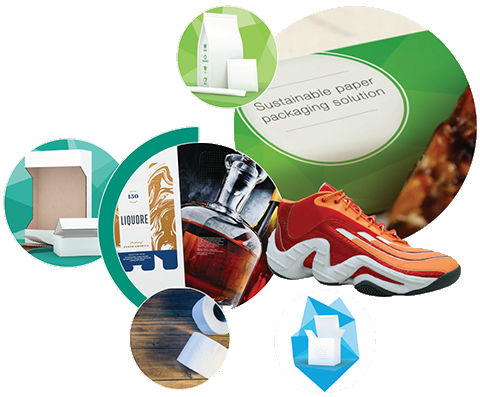
DWP can also be processed into products used in food and beverages, health and hygiene, wrapping and packaging, pharmaceuticals and many more applications that touch our daily lives.
Demand for DWP used in textiles, particularly for viscose and lyocell fibres, is both the largest and fastest growing sector, while end markets and demand growth for other applications are smaller and have lower growth rates. Based on the growth rate in the overall textile market, driven by factors such as population growth, rising urbanisation, wealth and the shift towards more comfortable, environmentally friendly natural fibres, we expect long-term growth in demand of approximately 6% per annum for DWP.
We continue to invest in our three world-class production sites – further entrenching our leadership as a trusted source for responsible and sustainable dissolving wood pulp.
Market prices for DWP are influenced by viscose staple fibre (VSF) and other textile market dynamics, paper pulp market pricing which can also influence swing mills as well as general macro-economic uncertainties pertaining to the ongoing United States/China trade dispute and subsequent US$/RMB exchange rate fluctuations.
Our markets in 2019 and outlook for 2020
FY19 marked a period where a substantial portion of the integrated VSF and DWP capacity disrupted market dynamics; installed VSF capacity now exceeds global demand by approximately 25%. This surplus of new low-cost VSF capacity has disrupted the market, lowering operating rates and resulting in VSF and DWP prices reaching historical lows. Over FY19, the index price for DWP declined by over US$300 per ton. We believe current pricing is below the cash cost of production for a significant proportion of global supply and therefore unsustainable over a prolonged period. Underlying demand for DWP is still growing at rates consistent with our long-term forecasts of around 6%. A recovery in DWP prices is therefore likely to be prompted by a recovery in VSF prices which in turn have been depressed by excess VSF capacity and a weak Chinese textile market.
Despite these low prices, EBITDA was similar to the prior year. EBITDA margins for this segment declined from 29% to 28% on lower US Dollar prices, offset by a weaker Rand/Dollar exchange rate and increased sales volumes. We believe DWP prices in the coming year will be lower than the historical trend price, and that profitability for this segment will therefore be below that of the prior year.
Volumes increased 7%, or 86,000 tons, from last year as we used the expanded production capacity at our three sites after debottlenecking projects. Our 110,000 ton expansion project at Saiccor Mill remains on track for a late FY20 start-up. The project is expected to yield long-term safety, efficiency and reliability improvements and reflects our ongoing focus on productivity and operational efficiencies. This investment is a key part of our strategic vision as we expand into fast-growing, highermargin segments.
In 2020, a year expected to be characterised by macro-economic uncertainty and disruptive market dynamics, we aim to remain focused on meeting and exceeding the needs of our customers. We will capitalise on our competitive advantages: our world-class and sustainably managed plantations, geographic positioning and sterling reputation as a reliable partner to bring our customers sustainable products that create shared value for everyone.

 Annual Integrated Report